
Turning is a manufacturing process used to shape metal workpieces or other materials by removing material from the surface using cutting tools on a lathe.
Today, automated machinery operated by computer systems—known as CNC (Computer Numerical Control) machines—is widely used to produce metal parts with precise dimensions and required shapes through turning operations. This process is especially suitable for applications that demand high precision and complex geometries.
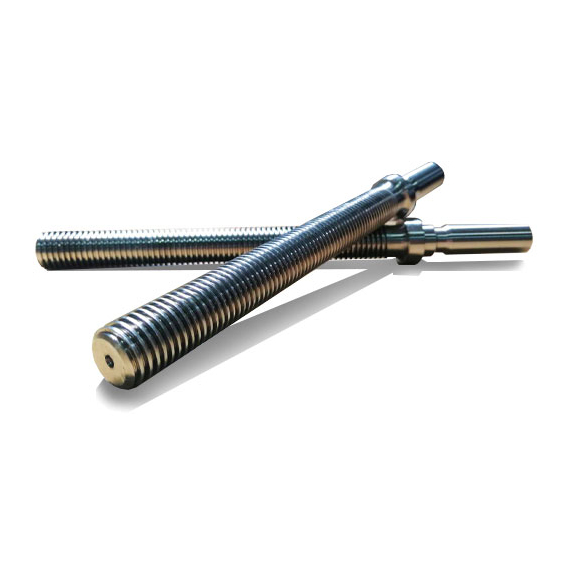
External turning operations can be classified into three main types as follows:
• Longitudinal Turning
In longitudinal turning, the cutting tool feeds parallel to the axis of the workpiece while the diameter of the workpiece is reduced to the required size. This is one of the most common turning operations.
Insert clamping systems are generally the preferred choice for tool holding in longitudinal turning. Tool selection must be based on the application and the size of the workpiece, as rough turning of large workpieces has significantly different requirements compared to fine finishing of small workpieces.
• Profile (Form) Turning
In profile turning, cutting conditions vary depending on depth of cut, feed rate, and cutting speed. The cutting tool must withstand varying stress levels and multiple depths of cut along the cutting direction, as well as changing diameters of the workpiece.
One of the most critical characteristics of a profile turning tool is its ability to access the cutting area effectively.
• Facing
Facing is a turning operation used to machine the end face of a workpiece. The workpiece rotates while the cutting tool moves inward and outward along the Y-axis to face the surface, and laterally along the axis to control the length of cut.
Facing tools are available in various shapes; however, the most commonly used are triangular inserts or T-type (Triangle) turning tools with a 60-degree angle, allowing machining on three cutting edges.
The selection of the tool nose radius (R) depends on the desired surface finish. For finer surface quality, a smaller radius such as 0.2–0.4 mm is typically used.
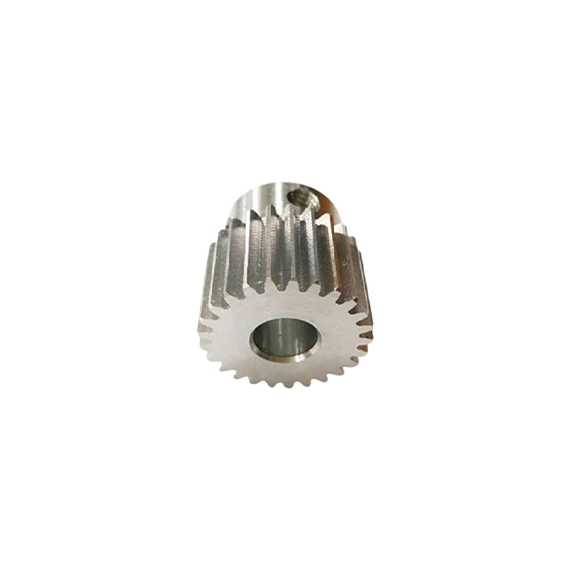
Chai Metal Co., Ltd. provides custom-made part forming services [MADE TO ORDER] tailored to customer requirements, utilizing modern machinery and advanced technology to deliver fast, precise, and consistently high-quality results.
We are fully equipped to handle a wide range of industrial components using CNC machines, Machining Centers, Wire Cut EDM, Surface Grinding, Cylindrical Grinding, Pressing, Thread Rolling Machines, and Gear Hobbing Machines.
Every production process is carefully controlled and supervised at all stages by our experienced engineering team and skilled technicians, ensuring accuracy, reliability, and quality in every workpiece.